Naviva in Punta Mita, Mexico, offers a different rhythm from most resorts. Set within a coastal forest and operating with just 15 tented villas, it targets travelers seeking nature, quiet, and simplicity without compromising comfort. This site inspection focused on evaluating how the design, service flow, and space planning perform in practice, not just in curated marketing. Timing the visit for early January offered a clear view of how the resort handles shoulder-season operations. It also made it easier to assess how the property adapts to guests arriving with varying needs, pace, and expectations after the winter holiday rush.
Arrival Process and Entry Experience
Naviva’s entrance is independent of the main Four Seasons property. It’s marked by a modest gate and a winding road through forested hills. The experience begins quietly. Guests step out to a shaded wooden platform rather than a lobby. Instead of registration desks, staff greet by name and offer drinks while leading guests to a seating area for informal check-in. Bags disappear discreetly.
This style works for guests coming off long-haul itineraries or multi-leg trips through Mexico City or Guadalajara. The simplicity feels intentional, not bare. Still, timing matters. Early arrivals must wait for their tent to be ready if prior guests are checking out. There’s no transitional day-use room. That matters more than it sounds, especially for visitors landing before noon. For now, the resort handles early arrivals by offering snacks and encouraging wandering, but that may not suit travelers coming off overnight flights.
The resort’s layout helps here. Its small footprint means staff can communicate guest arrival times fluidly and prepare each handoff with consistency. Guests don’t pass through crowds. They aren’t handed off between teams. That steadiness is part of the atmosphere.
Tented Villas: Layout, Privacy, and Guest Fit
Each tented villa is a permanent structure with canvas features layered over hardwood framing. They include private plunge pools, outdoor showers, soaking tubs, and expansive decks. The furniture and décor match the surrounding forest—natural textures, muted palettes, and few sharp edges. Privacy has been carefully planned. Villas are staggered across the slope, avoiding direct sightlines. Trees, terrain, and angled paths preserve separation.
From most decks, the only view is green foliage and sky, with ocean glimpses from select locations. There are no connecting units or group-style accommodations. There are two tent categories. Standard tents are tucked into forest clearings. Cliffside tents sit higher with broader ocean views, but require uphill walking. For guests with mobility concerns or heat sensitivity, that difference matters. There’s no internal transport system beyond walking. Staff may offer assistance for luggage or specific needs, but the expectation is on foot access throughout.
Each tent has strong Wi-Fi but no televisions. That reflects the resort’s concept. Guests expecting digital immersion or frequent video calls should understand the setup before booking. Phone service is inconsistent due to the forested location. From a practical perspective, this design supports calm. Birdsong carries through the canvas. The ocean is audible but distant. Light filters naturally through screened openings. At night, the resort becomes deeply quiet, which suits guests seeking rest or reflection.
Dining Model and Food Service Flow
Naviva operates without fixed dining schedules. Guests request meals when they feel ready, and food is served in their villa, on the shared deck, or around the fire circle. The approach relies on a tight kitchen operation focused on seasonal ingredients and personalized service.

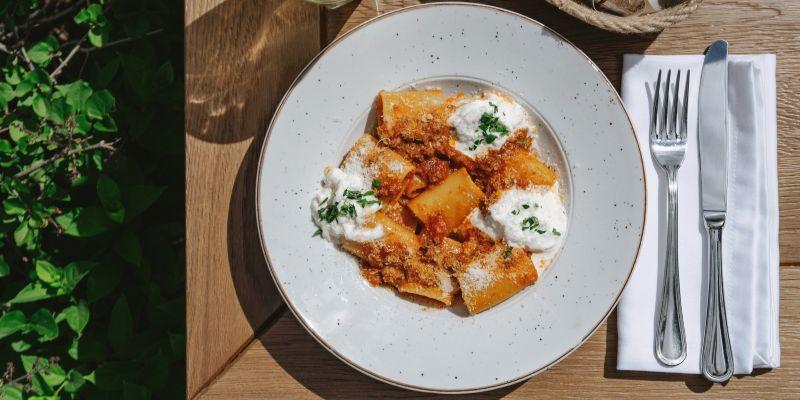
Menus are not handed out. Instead, guides discuss preferences with guests daily. The culinary team builds meal plans around that. On the day of the inspection, lunch included shrimp ceviche, hand-pressed tortillas, and mango with chili-lime salt. It felt fresh and unforced, more like a home-hosted meal than restaurant service. This dining style suits guests comfortable with unstructured pacing. It may pose challenges for those accustomed to broad menu options or formal dining setups.
Last-minute dietary requests are usually accommodated, though complex adjustments are easier with advance notice. No room service menu or in-room refreshment cabinet is offered. Instead, snacks are refreshed daily based on stated preferences, and drinks are handled through the assigned guide. The setup limits waste and maintains a personalized feel, though it may seem unfamiliar for guests expecting more independent access rather than relying on direct staff interaction.
Grounds, Shared Spaces, and Service Rhythm
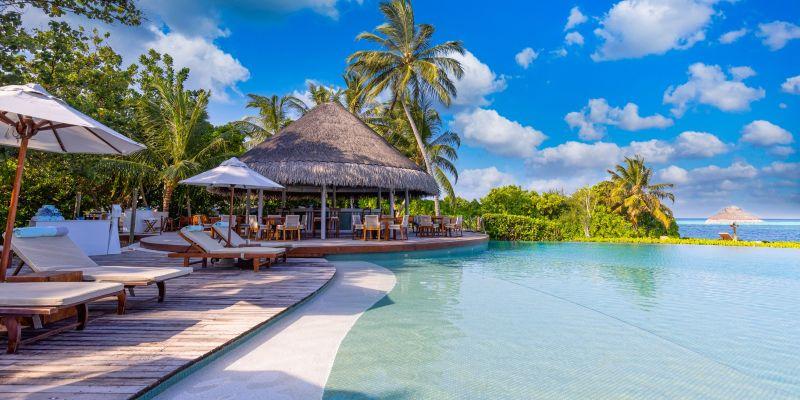
Naviva’s layout keeps things quiet, slow, and personal. Shared spaces are minimal but well thought out—a plunge pool shaped like a forest spring, a fitness area tucked under a palapa, and a small spa pavilion open to the breeze. Forest trails wind between these spots. The materials feel local and textured: wood, thatch, stone. It’s all deliberately understated. There are no carts, no buzzing engines. Guests walk. The trails are neat and well-graded but dim after sunset, lit just enough to stay safe without breaking the natural feel.
That’s peaceful for many, but it should be explained in advance to those expecting bright lighting or fast transport. Instead of traditional butlers, each guest is paired with a single guide. This person manages meal timing, spa requests, activity planning, and adjustments throughout the stay. No repeated questions, no back-and-forth between departments. It’s a tight loop.
Still, chemistry matters. Some travelers want a conversational guide. Others prefer low presence. The staff seem tuned in, but it helps if preferences are known before arrival. Staff presence felt intentional throughout the visit. No noise. No groups lingering in corners. Radios stayed silent or were used quietly. The entire service style matched the tone of the place—slow, thoughtful, unobtrusive, and always a few steps ahead without being seen.
Conclusion
Naviva doesn’t operate like a typical resort, and it’s not meant to. The space, service, and pace are designed for guests seeking privacy, nature, and a slower tempo. It serves a narrow but specific audience, and that’s where its strength lies. For travelers valuing quiet moments, personal attention, and thoughtful details without the need for buzz or structure, it holds strong appeal. This visit confirmed that what works here is not universal, but it is intentional. Booking success depends on matching the guest mindset with the resort’s quiet purpose.