Rome feeds you the moment you step outside. The air smells like espresso. A bakery window flashes golden suppli. A tiny trattoria sends out a wave of pepper, cheese, and hot pasta.
This guide walks you through nine dishes that define the city. You will meet carbonara with a rich, silky bite. You will taste cacio e pepe that clings to the pasta. You will crunch into fried artichokes that crackle like chips. Each stop comes with a place to try it, so you can spend less time guessing and more time eating.
Rome has its own food rhythm. Lunch has rules. Dinner runs late. Once you know what to order, the city feels easy.
Carbonara That Hits Like A Drumbeat
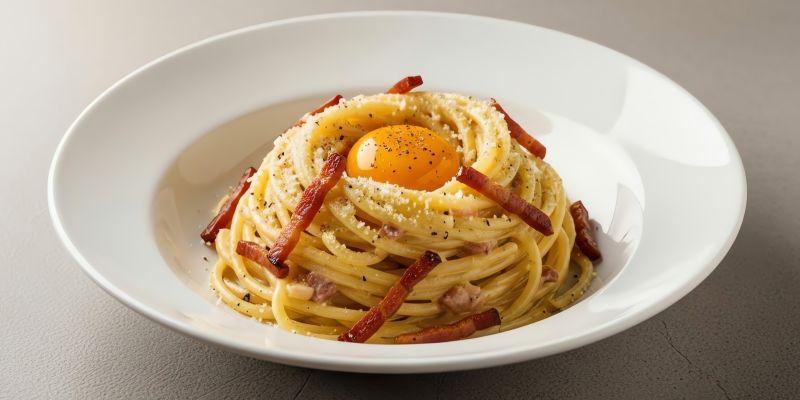
Real carbonara tastes rich without feeling heavy. It comes from guanciale, egg yolk, Pecorino Romano, and black pepper. That is it. No cream. No garlic. No extra cheese blend. When it lands right, it tastes sharp, salty, and warm.
The sauce should cling to the pasta like satin. It should look glossy, not runny. The guanciale should crack at the edges, then melt as you chew. Black pepper should show up first on your nose, then on your tongue.
For a classic plate, go to Armando al Pantheon near the Pantheon. It is known for carbonara that stays true to the Roman playbook. For a neighborhood hit, head to Trattoria Da Enzo al 29 in Trastevere, where carbonara is a house favorite, and the room stays loud with hungry people.
Cacio E Pepe: The Simple Trick That Feels Like Magic
Cacio e pepe looks easy on the menu. It fights back in the kitchen. Hot pasta water has to melt the cheese into a smooth sauce. Too much heat turns it grainy. Too little makes it cling in clumps. The pepper also needs a quick toast to wake up.
A great bowl feels creamy, not thick. The cheese taste should lead, then the pepper bite should follow. The pasta should stay hot to the last fork. You should not see puddles of oil. You should not taste raw flour or heavy butter.
For the famous version, go to Felice a Testaccio. It has a long name in Rome for this one dish, and people visit just for that first twist of the fork. For a quieter table, book Osteria Bonelli away from the center. It serves cacio e pepe with a local feel and no stage lights.
Amatriciana With The Right Kind Of Heat
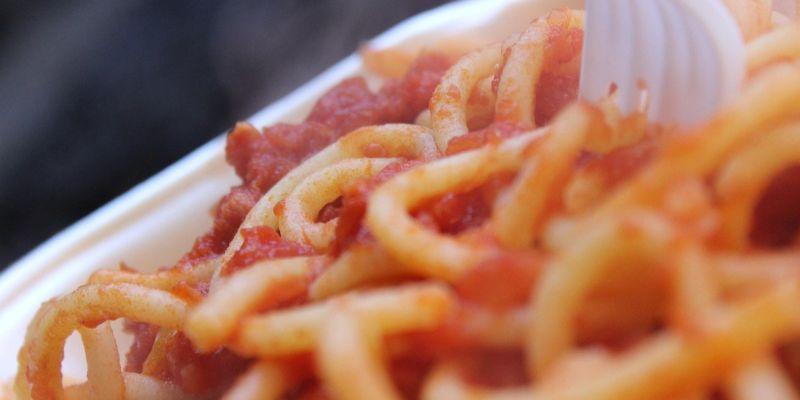
Amatriciana brings tomato into the Roman pasta trio. It should taste bright, salty, and a little spicy. Guanciale gives it depth. Pecorino gives it bite. The best sauce stays punchy. It never tastes like sweet jar marinara.
If the sauce tastes sugary, the balance is off. You want a clean tomato snap and a pepper kick. You also want guanciale that holds its shape. It should stay crisp at the edges. Bucatini is the classic match, since the sauce rides inside the hollow.
For a steady, sit-down choice, order it at Armando al Pantheon, where amatriciana gets the same respect as carbonara. For a more casual feel, try Hostaria Romana near the Monti area. Its menu keeps the Roman staples front and center, including amatriciana.
Supplì: The Street Snack You’ll Crave Twice
Supplì is Rome’s grab-and-go comfort food. It looks like a small croquette, then surprises you. The outside shatters when you bite it. The inside is soft rice with a rich tomato note. Then the cheese stretches into a long string.
Order it hot and eat it right away. That first minute is the best part. Pair it with a cold drink, or grab two and call it a snack lunch. If the rice tastes dry, skip the place next time. Supplì should feel creamy.
Try Supplizio for a focused, high-quality version. For a quick counter stop, hit I Supplì in Trastevere. Both places keep the crunch strong and the center warm, which is the whole point.
Pizza Al Taglio, Rome’s Best Lunch Move
Pizza al taglio is pizza by the slice, baked in big trays. It is not the round, sit-down kind. The crust is airy, with a crisp base. The toppings range from classic tomato to potato, zucchini, or cured meats stacked high.
You order by weight. Point at what you want. Ask for “un pezzo piccolo” if you want a small piece first. Mix two toppings to keep it fun. Go for one rich slice and one lighter slice so you do not burn out fast.
For a top name, go to Pizzarium near the Vatican. For a strong local counter, try Forno Campo de’ Fiori when you are near the market area. Both are great for an easy, happy lunch.
Trippa Alla Romana, The Bold Bite That Wins People Over
Trippa is tripe, which means cow's stomach. That sounds intense. In Rome, it turns into something cozy. It gets cooked slowly in tomato sauce with mint and pecorino. The result tastes meaty, warm, and deeply Roman.
Good trippa feels tender, not rubbery. The sauce should be thick and bright. Mint should show up as a fresh lift, not like toothpaste. Pecorino should finish it with a salty edge that pulls you back in.
For a traditional plate, go to Trattoria Da Teo in Trastevere. It serves classic Roman dishes with confidence, and trippa is one of the ones that proves the kitchen knows what it is doing.
Carciofi Two Ways, One Love Story
Rome treats artichokes like a main event. Carciofi alla giudia comes from the Jewish Ghetto. It gets fried until it fans out like a flower. The leaves turn crisp. Carciofi alla romana goes the soft route. It stews with herbs and olive oil until each bite feels silky.
Look for artichokes in late winter through spring. Order them when you see them often on menus. A great fried one cracks when you bite. A great Roman-style one stays tender to the center. Try Nonna Betta in the Jewish Ghetto for the fried version. Go to Da Cesare al Casaletto for the stewed version in a classic trattoria setting.
Saltimbocca, A Small Plate With Big Energy
Saltimbocca is a Roman power move. Thin veal gets topped with prosciutto and a leaf of sage. Then it hits the pan fast. The best version tastes savory and bright. It feels rich, yet it stays light enough to keep you hungry.
Texture matters more than anything here. The veal should stay tender. Prosciutto should turn just a little crisp at the edge. Sage should smell sharp and clean. Order it at Trattoria Da Danilo for a steady, old-school plate. Try Rimessa Roscioli if you want a more modern room with the same classic flavors.
Tiramisu That Tastes Like The Real Thing
Great tiramisu feels airy. It tastes like coffee first. Then cocoa follows. The cream should taste clean and soft. The cookies should hold their shape. They should never turn soggy. If it tastes like whipped topping, skip it and move on.
Watch for the usual tourist traps. Giant portions often mean lazy texture. Heavy cream often means dull flavor. Go to Pompi for a dessert-first stop that takes tiramisu seriously. Order it after dinner at Trattoria Da Enzo al 29 if you want a classic restaurant finish that still feels warm and homey.
Eat Like A Roman, Not Like A Rusher
Rome runs on habits. Start with a quick coffee at the bar, not a long sit-down. Lunch is the big meal, so book a real table if there is a place you want. Aperitivo hits in the early evening with a drink and small bites. Dinner starts late, and the best rooms fill up fast.
A few rules help you relax. Coperto is a small per-person cover charge in many places. Service is often included, so tipping stays light. When you want to leave, ask for the bill since it will not arrive on its own. Say “Il conto, per favore.”
Use simple lines, and you will get what you want. “Una carbonara” works. “Possiamo avere acqua naturale” gets still water. Then slow down. Rome rewards the people who eat at the city’s pace.
One Last Bite Before You Go
If you only eat one thing in Rome, you will still eat well. If you try three, the city starts to open up. Pick one pasta, one street snack, and one second course. Then let the rest happen as you wander. The best meals often show up without a plan.
Keep a tiny food map in your head. Carbonara near the center. Pizza al taglio between stops. Artichokes when the season is right. A calm dinner when the sun drops, and the streets feel softer. Each dish becomes a memory tied to a corner of the city.
Rome is not a place to rush meals. It is a place to collect them. One forkful at a time.