Tokyo can feel like ten cities stacked into one. One minute you’re under neon signs and packed crossings. The next minute, you’re walking past a quiet shrine with the smell of fresh coffee nearby. That mix is the magic, but it also makes one decision weirdly hard. Where should you stay?
The truth is that Tokyo rewards a good home base. Pick the right neighborhood, and you spend less time backtracking, less time stressed on trains, and more time eating, shopping, and exploring. Pick the wrong one, and even small plans start to drag.
In this guide, you’ll get the best neighborhoods to stay in Tokyo, plus hotel ideas that match how you travel.
Five Tokyo Bases Worth Booking First
If you want one move that makes Tokyo easier, pick your base before you pick your day plans. These five areas cover most travel styles. Each one has a clear vibe. Each one keeps you close to trains, good food, and the kind of nights you will remember.
- Shinjuku (huge station links, neon nights, late ramen spots)
- Tokyo Station and Marunouchi (Shinkansen access, clean streets, upscale hotels nearby)
- Asakusa and Ueno (temples at sunrise, solid value stays, easy museum days)
- Ebisu And Daikanyama (quiet blocks, great cafes, grown-up dining nearby)
- Shimokitazawa (thrift shopping, indie bars, creative streets with local energy)
The Train Lines That Make Tokyo Feel Smaller
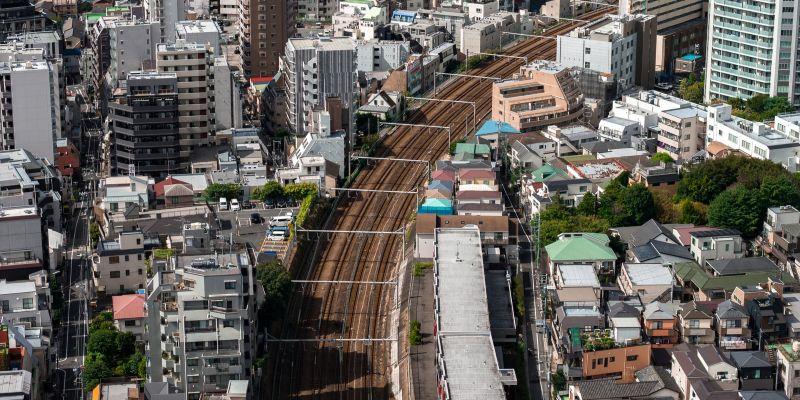
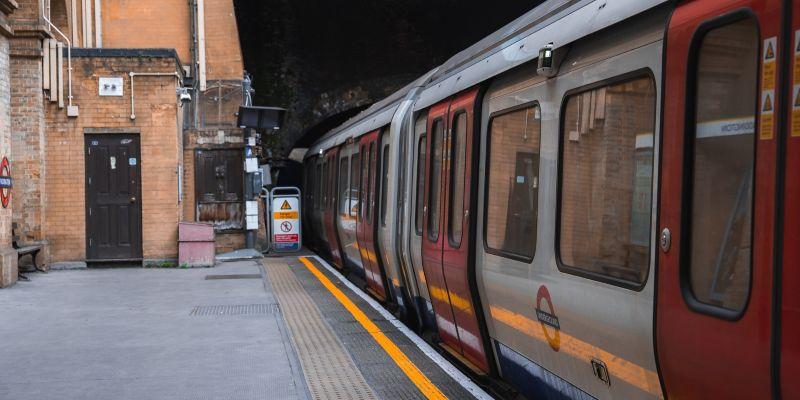
Tokyo spreads out. Your feet will notice. Your schedule will too. The good news is the rail system ties it all together. Stay near a station with more than one line. You will cut down on transfers. You will also dodge the long walks that sneak up on you.
Start with the JR Yamanote Line. It loops through big names like Shinjuku, Shibuya, and Ueno. It acts like a backbone for first-timers. Add one subway line near your hotel. That combo turns “far” into a short ride.
Shinjuku Nights Hit Hard, Then The City Opens Up
You land, check in, and step outside. The streets glow. The air smells like grilled skewers. You can wander Omoide Yokocho for tiny counters and big flavors. You can end in Golden Gai for a one-drink stop. The area stays alive late.
Shinjuku fits travelers who want energy within minutes. It also fits people who plan day trips. Shinjuku Station connects fast across Tokyo. Hotel choices feel endless. Look for business hotels near the station for quick moves. Choose higher towers for views and quieter rooms.
Tokyo Station And Marunouchi Make Day Trips Feel Effortless
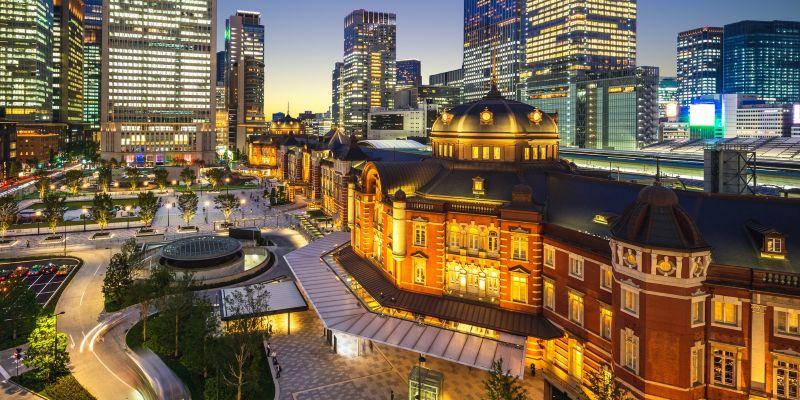
If your Tokyo plan includes Kyoto, Hakone, or a quick hop to another city, this area earns its spot. You wake up, grab breakfast, and you are steps from major train platforms. That beats dragging luggage across town at rush hour.
Marunouchi also feels calm in central Tokyo. The streets are wide. The buildings look polished. Dinner can be a nice sit-down meal instead of a loud queue. Hotels here skew mid-to-high range, with steady service and rooms built for business and comfort.
Asakusa And Ueno Let You Start In Classic Tokyo
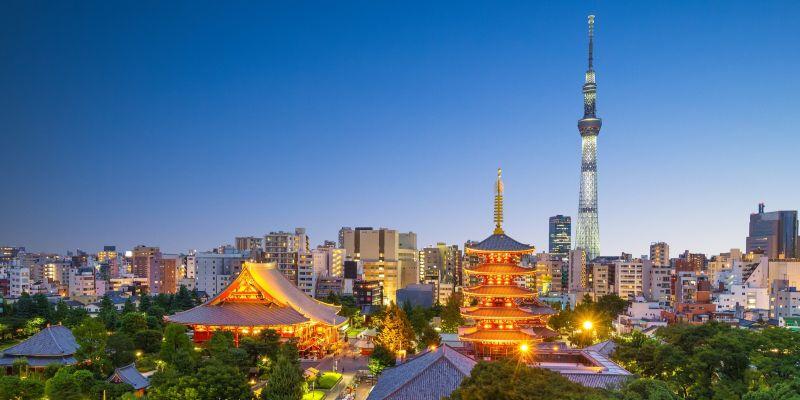
Asakusa gives you a softer first morning. You can walk to Senso-ji early, before the crowds thicken. The shops roll open. Lanterns hang overhead. It feels like a postcard version of Tokyo, but it still connects well by train.
Ueno adds museums, parks, and easy access to Ameyoko market streets. This pair works well for value stays. You will find compact mid-range hotels, family-friendly rooms, and simple places that keep you close to sights without paying center-city prices.
Ebisu And Daikanyama Bring A Quiet Kind Of Confidence
Some nights in Tokyo are better when they end with a reasonable bedtime. The places - Ebisu and Daikanyama - are tailor-made for those who love great food, fabulous lighting that doesn't hurt the eyes, and streets that feel like they're part of the neighborhood. After a long day of tearing around in some crazy, busy part of town, it's nice to head back to these quiet streets and take it easy.
Ebisu is possessed of some pretty great dining options and is right on the train line, so you can get wherever it is you need to go. Daikanyama, on the other hand, is the epitome of style - all cutting-edge cafes and boutique shops that feel (and probably are) curated with love.
There aren't loads of big hotels around, so what you do get is more like staying in a smart little B & B than in some huge generic hotel. Expect a more stripped-back but clever design and an overall 'local' feel rather than anything too corporate.
Shimokitazawa Feels Like Tokyo’s Creative Side Door
Shimokitazawa is the kind of place you stumble into, then keep coming back to. The streets are tight and busy in a fun way. Thrift shops spill racks onto sidewalks. Record stores hide in basements. You can grab a coffee, then catch a small live show at night.
It works best if you like neighborhoods with personality. It also works if you want a break from the big hubs. Trains still make it easy. You can reach Shibuya fast, then return to a calmer, more local scene without feeling far away.
Pick A Hotel Style That Matches Your Trip
Tokyo hotels come in many shapes, and the style matters as much as the price. Business hotels are the steady choice. They sit near stations. They run clean and efficiently. Rooms run small, so pack with that in mind if you travel with big suitcases.
Boutique hotels bring design and a stronger sense of place. Luxury hotels add space, views, and calm service. Capsule hotels can be fun for a night, not always for a full week. Apartment-style stays help families and longer trips, since you get more room and a kitchen.
One Good Base Can Turn Tokyo Into Your City
Tokyo rewards motion. You will ride trains. You will hop between neighborhoods. You will chase a bowl of noodles across town because someone swore it was worth it. When your hotel sits in the right place, all of that feels exciting instead of tiring.
Pick your base based on how you want your days to end. Late nightlife points to Shinjuku. Fast travel days point to Tokyo Station. Old streets point to Asakusa and Ueno. Calm nights point to Ebisu and Daikanyama. Creative wandering points to Shimokitazawa.
Once you lock that in, the rest falls into place. Tokyo stays big, but it starts to feel friendly. You stop planning every minute. You start trusting the city to surprise you.