There’s something about Romania that doesn’t quite translate through brochures or online travel rankings. It’s not just the castles or the winding roads. It’s the stretch of forest where your phone signal vanishes, the forgotten wooden churches, the grandmother selling wild berries by the roadside, or the villages where time hasn’t rushed in yet.
A road trip here isn’t about hopping from one attraction to the next. It’s about the space between them. This route, mapped by someone who grew up around these hills and highways, threads together landscapes, traditions, and stories that reflect the country as it truly is layered, lived-in, and quietly dramatic.
Through the Heart of Transylvania
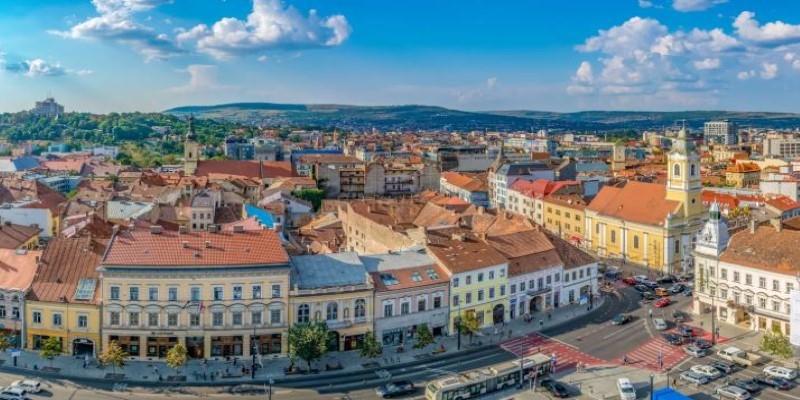
Begin in Cluj-Napoca, where past and present share the same cobbled streets. Skip the hurried checklist and start slow. Walk around Piața Unirii, get familiar with the laid-back pulse of the city, and if you’re there on a Saturday, drop by a village market plenty still come in with jars of forest honey or soft cheese wrapped in leaves.
From Cluj, drive south toward Turda. The salt mine here isn’t just a novelty. Descending into that vast cavern feels like stepping into another planet, one carved by nature and reimagined with underground Ferris wheels and boat rides. Back above ground, continue on the DN1 road. It cuts across Transylvania like a spine, taking you through sleepy towns like Aiud and Alba Iulia. At the citadel in Alba, walk the old Roman routes under your feet, watch the ceremonial changing of guards, and resist the urge to rush off.
As you roll into Sibiu, the old Saxon town opens up slowly. The tiled rooftops and ‘watchful’ attic windows give it a distinct feel—half fairy tale, half fortress. Evening light hits the pastel buildings around Piața Mare in a way that quiets most travelers. Stay the night. The city doesn’t reveal its best corners in one stroll.
Beyond the Mountains, into the Past
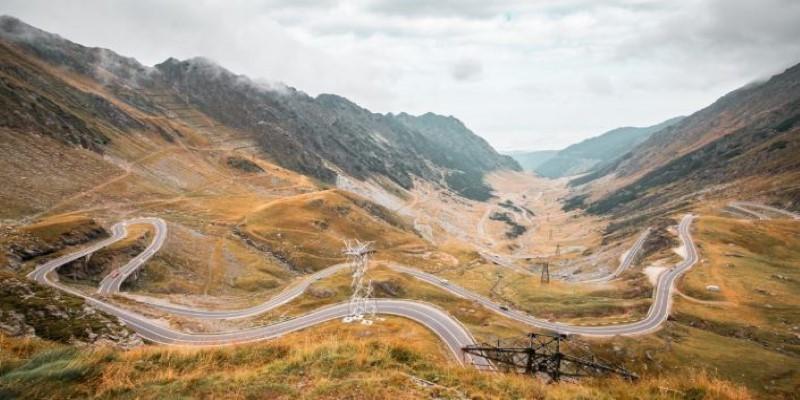
Leave Sibiu early and take the Transfăgărășan Highway—one of the most dramatic roads you’ll ever drive. The ascent is a string of sharp curves, each opening to views that seem made for postcards. You’ll pass Balea Lake at the top, often surrounded by mist or patches of snow even in early summer. It’s the kind of stop where you end up staying longer than planned, sipping something warm while the wind races across the peaks.
Once across the Făgăraș Mountains, the landscape flattens briefly, then folds into the hills of Curtea de Argeș. This small town is known for its cathedral, a resting place of kings, but also for a local legend of sacrifice told through its walls. From here, the route turns toward Wallachia. The villages get smaller, with white churches tucked between orchards and sunflowers spreading along the roadside.
Reach Sinaia before nightfall. The royal castle here, Peleș, looks like it was sketched by a meticulous artist with a flair for detail. Even if you’re not one for guided tours, walk through its gardens and look up—the Carpathians rise around you like quiet sentinels.
Bucovina and the Painted Monasteries
From Sinaia, make your way northeast. This stretch—through Bacău and Piatra Neamț—can be long, but watch how the scenery changes. Bucovina feels like a country within a country. The air is cooler, the hills gentler, and the roads quieter. Horses still pull carts in this part of Romania, and it’s not a display for tourists.
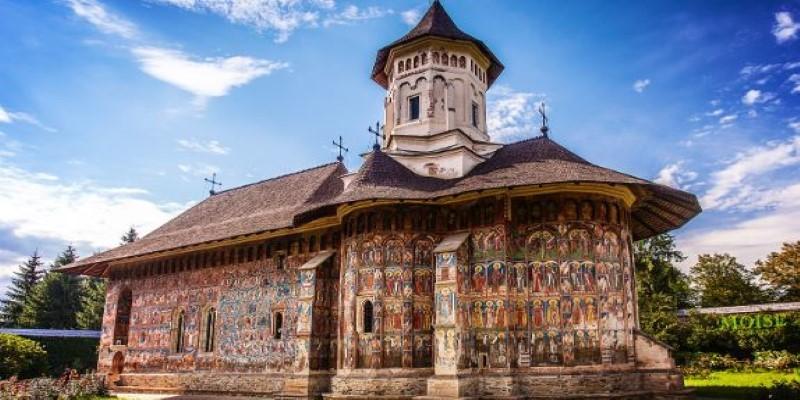
The painted monasteries of this region—Voroneț, Humor, Moldovița—aren’t just religious sites. Their frescoes are open history books, covering everything from saints to sieges in vivid color. Unlike most sacred buildings, these speak from their outer walls, not just their inner sanctums. Sit in the grass across from one. Notice how locals come not just to pray, but to chat and linger.
In nearby villages, traditional houses are often painted in deep blues or reds. If you see one with a sign for “camera de închiriat,” that’s a room for rent. Stay in one. The pace here is unhurried, meals are simple but real—smoked trout, fresh cheese, polenta with sour cream.
The Danube and the Southern Frontier
Loop south toward the Danube, but take the longer route through Suceava and Iași if time allows. Iași has a literary air to it, with a university that’s been the heart of Romanian thought for over a century. Spend a morning in Copou Park under its linden trees, then begin the journey southwest toward Galați and eventually to Drobeta-Turnu Severin.
The Danube shapes the southern edge of Romania, and driving along it gives you a sense of its scale. Stop in Orșova and take a short boat ride toward the Iron Gates. The cliffs here are steep and the river deep, guarded by a rock-carved face of King Decebalus, one of Romania’s pre-Roman leaders. Few expect this kind of landscape here, and that’s part of its power.
End your route in Timișoara. The city feels Western, and not by accident. It was the first in Europe to use electric street lights, and it still carries that sense of early innovation. But its charm isn’t just in its history. It’s in the gardens, the quiet courtyards, and the buzz of conversation that floats out of every café. After days of winding roads and mountain turns, this is a good place to stop, walk, and let the trip settle in your memory.
Conclusion
A Romania road trip isn’t about chasing big sights. It’s about roads that curve through meadows where cows still wander across or stretches of forest that swallow the signal on your phone. The places you visit feel untouched, not sculpted for visitors. This route doesn’t try to cover every inch—it skips the western plains, Maramureș’s wooden villages, and the coast along the Black Sea. Still, it carries the rhythm of the country. Every stop invites you to slow down, notice small things, and listen to what surrounds you. More than just views, this journey offers a deeper sense of place—one that stays with you.