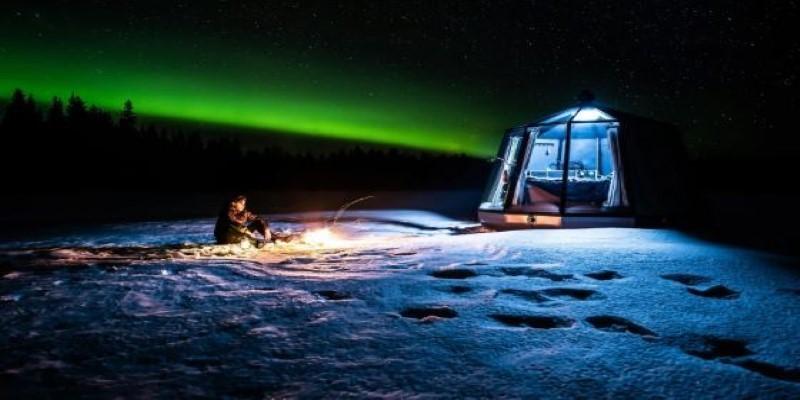
The first thing to understand about planning a Northern Lights trip to Finland is that patience does more work than planning. Forecasts change quickly. Clear skies can turn cloudy without warning. But for travelers not rushing, a week gives just enough room to adjust, wait out bad weather, and get a couple of decent chances. Most don’t realize that aurora chasing isn't a daily guarantee. It's a strategy built on timing, flexibility, and local awareness. With the right mindset and a bit of groundwork, the long nights in Finland can become some of the most quietly dramatic hours of travel.
Choosing the Right Base
Rovaniemi seems like the obvious starting point, but it’s not the most reliable for aurora visibility. Too many travelers get caught up in its tourist infrastructure and forget that city light pollution can easily cancel out weak aurora activity. Better options sit farther north. Levi, Saariselkä, and Muotka get clearer skies and sit under stronger geomagnetic zones. These areas don’t run short on cozy cabins or snow-heavy landscapes, but the key difference is how quickly you can get to dark-sky locations with open sightlines.
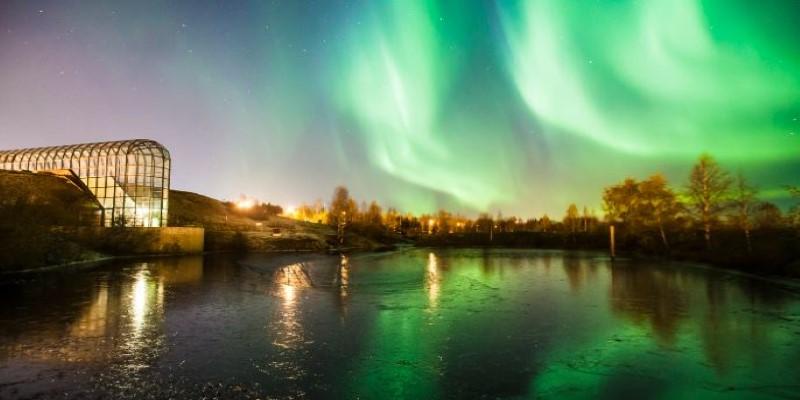
Travelers staying too close to resorts often don’t see much. A rental car makes a difference in both flexibility and viewing chances. Some of the best sightings come from pulling off on quiet backroads, away from any artificial light or noise. Taxis aren't reliable late at night, and most tour companies follow a tight schedule. With a vehicle, the chances improve, especially when the aurora appears in short bursts around midnight and doesn’t last long.
The price difference between accommodations in central Levi and something outside the village is noticeable. But being fifteen minutes out means you can step outside and check the sky every hour without a group itinerary holding you back. In winter, those margins matter.
How Locals Monitor the Sky?
Forecast apps are everywhere, but travelers tend to trust them too much. The aurora KP index is only part of the equation. Local guides pay closer attention to cloud cover, solar wind data, and regional webcams. One helpful tool used by Finnish guides is the FMI space weather service. It’s updated in real time and ties into both atmospheric clarity and solar activity. For actual sightings, the Lapland Live webcam feeds are a better check than any color-coded phone alert.
During peak aurora season, even a KP 1 event can produce visible lights if skies are clear and you're far enough north. That’s why relying on a red or green number in an app often leads to missed chances. Guides out of Inari or Utsjoki often take groups even when the KP looks low because they’ve checked three other factors.
Evening decisions depend on microclimate changes. A guide near Saariselkä might cancel a tour due to rising fog, while a self-driving traveler checking webcam feeds could head fifteen kilometers west and find clear patches. Knowing when to pivot is part of the process.
Daytime Planning and Limitations
Many travelers underestimate how slow things move in Arctic Finland. Daylight lasts only a few hours in deep winter, and roads between towns can be icy and narrow. Trying to fit too much into one day risks getting stuck in transit after dark. Keeping a tight loop around your base is more sustainable. Huskies, snowshoe treks, and reindeer farms can all be done in a half-day.
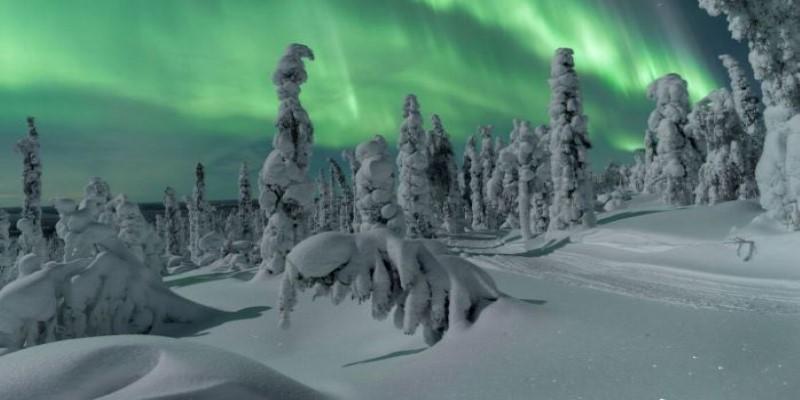
Scheduling every day too heavily cuts into the evening energy needed for late-night sky checks. A better pace is two major outings across the week, leaving the rest open for scouting or short trail walks. Several cabins and lodges now offer aurora alarms, which send out a light or buzz when activity begins. These aren’t flawless, but they help reduce the fatigue from constant night watching.
Photography is another consideration. Cold batteries die fast. Tripods freeze. Glove use limits dexterity. Most guides recommend setting manual camera presets during the day. This avoids delays during sudden sightings. Locals suggest carrying extra camera batteries inside inner coat pockets, close to body heat. Simple preparation goes farther than high-end gear.
What Travelers Often Miss?
A common mistake is staying too short. Three-night trips are marketed as aurora getaways, but the odds of success are low unless skies are clear the entire time. A full week allows room for adjustment. It gives time to watch patterns. When the aurora appears once, it often returns the next night under similar solar wind speeds.
Another detail often missed is the value of cloud radar over aurora predictions. Even a strong KP event looks like nothing if overcast skies block the view. Locals often check Norway's weather patterns because the weather can shift across borders quickly. A one-hour drive west toward Kilpisjärvi might lead to an entirely different sky.
Lastly, many assume the lights appear green and pulsing like in photos. In real-time, especially with the naked eye, they often start as pale gray arcs or slow white streaks. Only stronger bursts develop visible green, and cameras pick up far more detail than the eye. Those expecting a swirling light show can miss a calm, stunning display because it doesn’t match expectations.
Conclusion
Chasing the Northern Lights in Finland doesn’t follow a neat plan. Weather shifts, sky clarity, and solar activity require constant attention. A flexible approach and local awareness beat any fixed tour schedule. Staying farther north and giving yourself a full week improves the odds more than any app. It’s not a daily reward, but when the lights do appear, the silence and scale of it are unlike anything else. You won’t get a perfect alert system or a guaranteed view, but with patience, the cold nights start to feel less like waiting and more like part of the reason to be there.