Tallinn doesn’t overpromise. It doesn’t need to. The Estonian capital delivers an experience that’s compact, layered, and best appreciated by walking slowly and observing quietly. Two days isn’t much, but it’s enough to feel the city’s rhythm if you know what to look for and how to navigate its quirks. This guide is built on practical pacing, smart timing, and a few shortcuts that travelers often miss.
Planning Around Time, Distance, and Crowds
Tallinn’s Old Town is a UNESCO site, but the real challenge isn’t finding it—it’s staying ahead of the groups that flood the area between 10 a.m. and 3 p.m. Most day trippers from cruise ships arrive around that time. If you want a clearer view of Toompea Hill or the cobbled lanes below it, start early.
Distances in central Tallinn are short. You won't need a car, and public transport isn't essential unless you're heading to Kadriorg, Telliskivi, or Pirita. Buy a QR ticket through the Pilet.ee app if needed, but most of your exploring will happen on foot. Wear shoes with a good grip—cobblestones are unforgiving after rain.
Some museums close on Mondays, and many smaller spots don’t update hours in English consistently online. Double-check timings in person when you arrive. Winter trips need buffer time for shorter daylight hours and icy sidewalks. Summer brings longer evenings, but also higher accommodation prices, especially during festivals or school holidays.
Day 1: Old Town Depth, Not Just Distance
Start with the Upper Town (Toompea). Get there before the first tour groups. Kohtuotsa viewing platform has one of the most photographed skylines in the Baltics, but the light is better in the late afternoon, so save your wide shots for then. The Alexander Nevsky Cathedral opens early, and while it’s not large, it fills quickly.
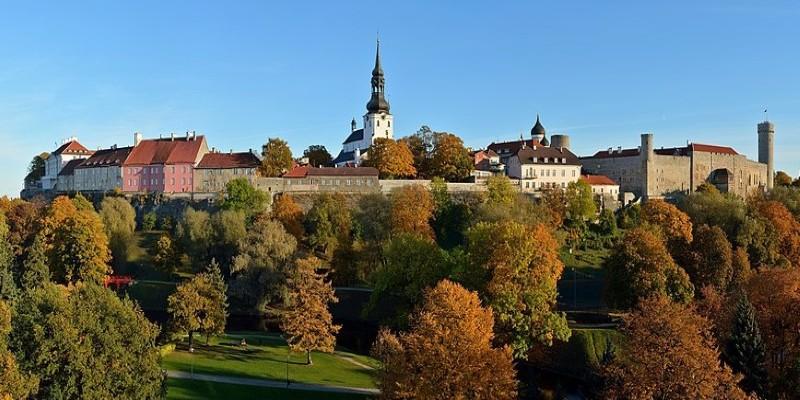
Don’t rush through the Danish King’s Garden or Pikk Jalg. These are not just scenic paths—they’re natural crowd filters. Late morning is a good time for the Estonian History Museum at the Great Guild Hall. It’s compact but well-curated, with artifacts that help explain the city’s mercantile past.
Lunch near Rataskaevu Street avoids the larger crowds that gather closer to the central square. Tallinn's food scene leans seasonal. Try a place offering Baltic herring or elk stew in colder months, or local berries and mushrooms in summer. Many cafes don't show menus outside, which slows down decision-making. Use Google reviews for quick checks, but expect some entries to be out of date.
In the afternoon, switch to the Lower Town. Walk along Pikk Street, where guild houses and merchant homes tell their own story. The KGB Prison Cells on Pagari Street are easy to overlook but worth visiting for context on Soviet-era control.
If the weather holds, end at Patkuli viewing platform before sunset. It's quieter than Kohtuotsa and gives a fuller view of the city wall and harbor.
Day 2: Kadriorg, Telliskivi, and Local Texture
The second day starts outside the medieval core. Take tram 1 or 3 to Kadriorg. The area blends palace gardens, embassies, and quiet side streets. Kadriorg Art Museum focuses on European works, but Kumu (Estonia's national art museum) next door handles contemporary pieces and social commentary better. Both are closed on Mondays.
Walk back toward the center through the Song Festival Grounds if you're visiting in summer. It’s not a regular stop for tourists, but it explains Estonia’s independence story in a way that sticks. The scale of the amphitheater doesn’t translate well in photos.
After lunch, go west to Telliskivi Creative City. This isn’t just a repurposed warehouse district—it’s an active zone of studios, galleries, and street art that actually changes over time. Fotografiska Tallinn is more than a photo museum. Its top-floor café often has good city views, and the exhibitions are rarely crowded midweek.
Balti Jaama Turg is a nearby market that’s part functional, part curated. The lower level is where locals actually shop—bakers, cheese sellers, seasonal fruit. The top level leans more toward vintage finds and Estonian-made souvenirs. Prices aren’t the lowest, but quality is high.
If you’re leaving by evening ferry or train, Telliskivi is close to both the port and Balti Jaam station. Most international buses leave from a different terminal (Autobussijaam), so factor in a 20-minute tram ride if needed.
Real Travel Considerations That Save Time and Stress
Tallinn has good English signage, but ticket machines and apps sometimes default to Estonian. Many restaurants still operate with paper menus only. Wi-Fi is strong and widespread, even in public parks, but some older buildings have thick stone walls that block signals indoors.
Season affects the rhythm more than in some cities. June and July bring white nights, so it's easy to lose track of time. December offers Christmas markets but also icy sidewalks and unpredictable opening hours. Locals keep a slower pace in winter. Plan accordingly.
Booking accommodations inside Old Town means less walking, but more noise from church bells and tour groups. Staying just outside the walls, near Kalamaja or Kadriorg, gives better rest and still keeps everything within reach.
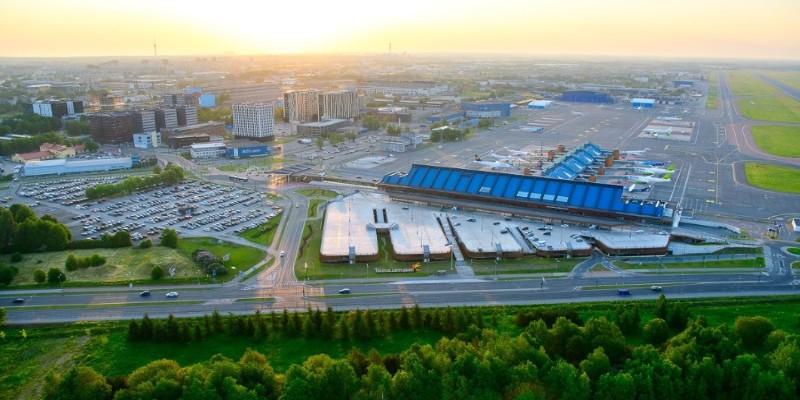
Travelers flying in or out should know that Lennart Meri Tallinn Airport is small and efficient. Security rarely takes more than 20 minutes, even during busy periods. Trams and taxis both reach it easily. Bolt is the local ride-hailing app, often cheaper than taxis flagged on the street. Keep a charger handy; some cafes limit outlet access unless you're dining in.
Credit cards are accepted nearly everywhere, including market stalls and transport. Cash is almost unnecessary, but having a few euros helps at small bakeries or older kiosks.
Conclusion
Tallinn rewards travelers willing to slow down. Two days here does not call for rushing between landmarks or filling every hour. The city feels compact, yet its character reveals itself in quieter moments. A foggy side street near the old walls, a calm corner of Kadriorg Park, or a small café tucked behind a wooden house often leaves a stronger impression than any checklist stop. Time spent lingering pays off. Courtyards open unexpectedly, church bells echo without urgency, and silence becomes part of the experience. Tallinn works best when space is left for observation. Two days can be enough, provided the pace stays unforced and attentive.