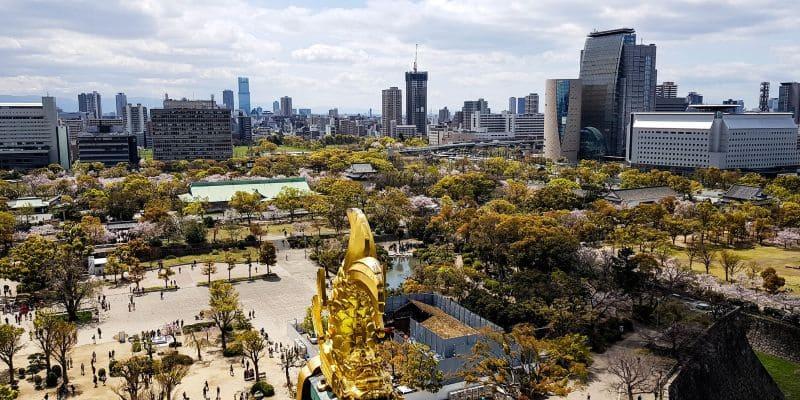
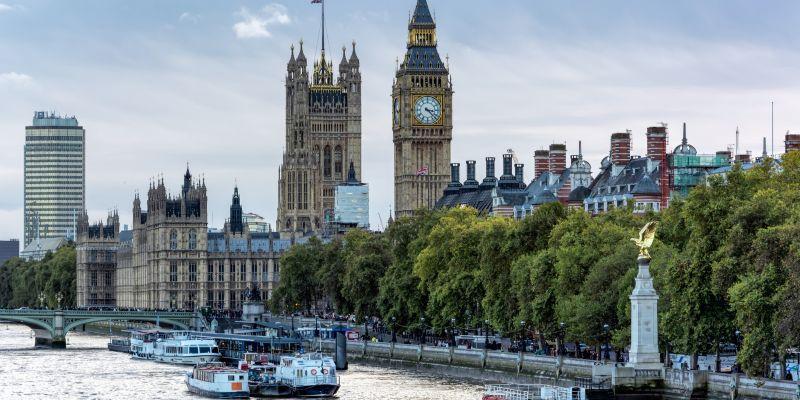
New Zealand hits you fast. You step off the plane. You start looking up. Glass towers catch the light in Auckland. Warm timber curves over quiet rooms. Even the waterfront feels planned, not accidental.
This is a country where design stays close to the land. It borrows from Māori carving, coastal weather, and a love of open space. The best places do not just look good. They make you slow down.
Auckland’s Gallery That Feels Like A Forest And A City At Once
Start at Auckland Art Gallery Toi o Tāmaki. Walk in and feel the shift. The modern wing uses pale timber and wide glass to pull the outside in. Light drops through the ceiling like it is filtering through branches. The space stays calm even on a busy day.
Stand under the carved beams and look up. Notice how the wood lines guide your eyes without shouting for attention. The rooms feel open. The edges feel soft. It is city-designed with a natural heartbeat. You leave with your shoulders lower than when you arrived.
Then head to the waterfront around Wynyard Quarter. Old industrial ground now holds parks, paths, and smart public spaces. Stop at Silo Park and watch how simple shapes create a place to sit, snack, and stay. It is proof that good design can rebuild a whole mood.
Wellington’s Power Icons On A Walkable Loop

Wellington makes a strong first impression in a small footprint. Start at Parliament and walk toward the Beehive. The shape looks bold and clean. It feels like a prop from a future film. Step back across the lawn and take in how it stands beside older buildings.
Keep walking to Te Papa. The entrance feels friendly, not grand for the sake of it. Inside, the layout helps you move with ease. The building invites families, solo visitors, and school groups. Good design shows up in the way people flow through the space.
Finish on the waterfront. Follow the curve of the harbor and watch the city sit close to the water. Cross the city to the Sea Bridge and spot details in the posts and rails. Public art pops up in the open air. The loop ends where it started, with energy still in your step.
Napier’s Streets That Take You To The 1930s
Napier feels like a set you can walk into. The streets hold a steady Art Deco look that is rare in most cities. After the 1931 earthquake, the town was rebuilt quickly in the style of that era. The result feels unified, not mixed up or patched together.
Look for zigzags, sunbursts, and clean curved corners. Pastel fronts catch the light. Metal details sit above doorways like small crowns. Even shop signs feel part of the same story. You do not need to love architecture to enjoy the rhythm of the blocks.
Book a guided Art Deco walk and let someone point out the hidden gems. Step into the lobbies when the doors are open. Pause at the Soundshell on Marine Parade for a wide view. Then grab a coffee and watch the scene. In Napier, the street is the main exhibit.
Christchurch’s Rebuild You Can Feel In Your Bones
Christchurch carries change in its streets. You notice it in gaps, cranes, and new corners that feel freshly claimed. Start with the Cardboard Cathedral. It looks simple from the outside. Then you step in and feel the warmth of timber and soft light doing real work.
The design matters because it was built to serve, not to show off. The shape guides your eyes upward. The materials feel honest. It is a space for quiet, for music, for reflection. You leave with a clear sense that architecture can hold a city together.
Next, spend time at Tūranga, the central library. It is modern and welcoming, with spaces that invite people to stay. You will see how a public building can feel like a living room for a whole city. Christchurch is not frozen in the past. It is building its next chapter.
Dunedin’s Stone Giants And A Station Worth Staring At
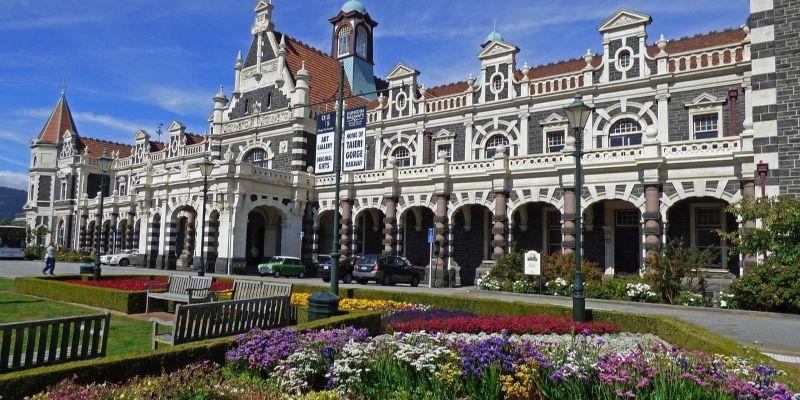
Dunedin shifts the mood. The city feels heavier, in a good way. Stone buildings sit with confidence, and details reward slow looking. Start at Dunedin Railway Station. Its dark façade and bright mosaic floors make it feel dramatic and proud at the same time.
Walk inside and take your time. Look at the tile patterns. Notice the arches, the carved touches, and the way the light lands on polished surfaces. It is one of those places where you keep finding new angles. Even if you are not catching a train, it warrants a long visit.
Then head toward the University of Otago. The older buildings mix stone walls with sharp lines and deep windows. The campus feels like a small world with its own texture and pace. Dunedin’s best design does not chase trends. It leans into craft and character.
Māori Design That Puts People First
Māori design carries meaning, not just style. You feel it in carved forms, woven patterns, and the way spaces are made for gathering. In Rotorua, Te Puia is a strong place to start. The setting ties culture to land, with steam rising close by.
Focus on the wharenui and meeting spaces. Notice how the shapes and figures hold stories of ancestors and community. The details are not decoration. They are identities made visible. The way the space is arranged guides how people connect, speak, and listen.
Take your time and stay respectful. Listen to guides and watch the process behind carving and weaving when it is available. The best takeaway is simple. This design is lived, not staged. It reminds you that the strongest buildings serve people first.
The Fun Stuff That Still Counts As Great Design
Hamilton Gardens proves a point fast. Landscape design shapes how you move, pause, and feel. Each themed garden has its own mood. Paths turn at the right moments. Views open like a reveal. You start paying attention to edges, layers, and quiet framing.
Walk through the Italian Renaissance Garden first. Notice the strict lines and symmetry. Then shift into the Indian Char Bagh Garden with its strong geometry and water focus. The contrast lands because it is planned with care. It feels like flipping pages in a design book outdoors.
Then head to Hobbiton near Matamata. This is a set design with real craft. Doors fit the scale. Textures look lived-in. Tiny choices sell the world, from fences to gardens to stonework. It is playful, yet it teaches you how detail builds belief.
The Route You’ll Replay In Your Head
New Zealand design stays close to its place. Timber, stone, and light show up again and again. Cities feel walkable when planning is done right. Smaller towns' land is just as hard, like Napier’s streets or Dunedin’s stone buildings that demand slow looking.
Plan it like a string of clear stops. Pair Auckland with a day trip on the water. Link Wellington’s civic core with a long waterfront walk. Give Christchurch time for the rebuild story. Save Dunedin for a slower finish with texture and weight.
The best habit is simple. Look up. Look closer. Step inside when a door is open. Notice how a space guides people without signs. New Zealand rewards that kind of attention, and it stays with you long after the flight home.