Osaka gets expensive fast. Neon lights, late food, stations everywhere—then you open a booking app, and the room rates start looking stupid. Still, staying here for under $70 a night is not hard if you stop chasing pretty photos and book a location first. That matters more.
The better budget stays in Osaka are usually small, clean, near a station, and close enough to the parts of the city you’ll actually use. Namba, Shinsaibashi, Yodoyabashi, Honmachi. Places like that. You are not paying for space; you’re paying to move easily, sleep decently, and get back late without dragging yourself across town. That’s the trade. And mostly, it works.
Five Cheap Stays That Are Worth Booking First
Start here. Not because these are the only decent budget stays in Osaka, but because they cover the usual needs without much drama: central access, clean rooms, easy train links, and less wasted time. The list is quick on purpose. You can compare later.
- Just Sleep Osaka Shinsaibashi (best for Shinsaibashi shopping, fast walks to Dotonbori, modern rooms, easy late-night return)
- Prince Smart Inn Osaka Yodoyabashi (quiet area, self-check-in, smooth business-hotel setup, simple subway access across the city)
- RIHGA Place Higobashi (calmer nights, polished feel for the price, useful subway connections, good fit for travelers who want less noise)
- Travelodge Honmachi Osaka (solid middle point between Namba and Umeda, compact rooms, good if you want balance rather than nightlife)
- Sotetsu Fresa Inn Kitahama (quiet business district, practical extras in-room, reliable for solo stays or couples keeping things easy)
That Cheap Night Rate Can Vanish Fast
A room shows up at $61; you think, "Fine, done." Then you check the next night, and it is suddenly $84. Osaka does that a lot. The cheapest inventory disappears first, especially in central areas, plus the same hotel can swing hard inside one week.
Fridays and Saturdays push rates up first. Long weekends do it too: festival dates, school breaks, concert weekends, all of that. The room did not improve overnight. Demand changed. That is the whole story, mostly, yet people still act surprised when the budget option stops being budget.
Watch the final price, not the number that gets shown first. Some booking sites display the base rate and then add taxes and service fees later. Some default to one guest. Osaka may also charge a lodging tax. Small difference on screen; bigger one at checkout.
Pick The Right Part Of Osaka Or The Savings Mean Nothing
A cheap room in the wrong area is a bad deal. Osaka’s train system works, yes, but giant stations, long exits, line changes, extra walking — that all eat time. By the second day, you feel it. Location fixes more problems than a nicer lobby ever will.
Namba and Shinsaibashi suit first-timers who want to be in the middle of the action: food, lights, shopping streets, and late dinners that do not require planning. Yodoyabashi, Honmachi, and Kitahama feel steadier. Less noise, fewer crowds at night, and still central enough to move around without turning every trip into a transfer puzzle.
Higobashi sits in a useful middle lane. Calm, connected, not dead. Umeda works if you want a bigger station hub and quick regional links, while Tennoji can stretch the budget further. But the order matters — pick the part of Osaka that fits your trip, then book the room.
Small Business Hotels Do A Lot Of Heavy Lifting
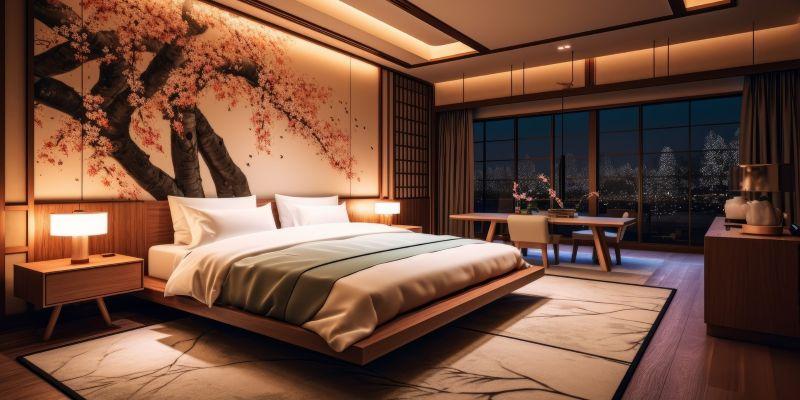
Most travelers under this budget end up in business hotels for a reason. They solve the boring problems well. Private room, private bath, decent bed, fast check-in, predictable setup. Not charming, usually. But charm is not what gets you through four nights in a city.
The rooms are small. Sometimes very small. You get a desk, a mini fridge, a tiny bathroom unit, maybe an air purifier, and maybe a coin laundry downstairs. Still, the basics are handled. That matters more than décor when you are out all day and only need the room to work.
This is why the format holds up in Osaka. It fits the city. You sleep, shower, leave, come back late, and repeat. Hotels like Prince Smart Inn, Travelodge, RIHGA Place, and Sotetsu Fresa Inn all fall within that logic. Compact, efficient, low-friction. Good enough, often better.
Capsules Work Better Than People Think
Capsule hotels sound worse than they usually are. For solo travelers, especially on short stays, they can be a smart trade. You give up room space, yet keep a strong location, a clean bed, and a lower nightly rate. That equation works more often than people expect.
The system is structured. Lockers, quiet hours, shared wash areas, shoes off, and lights controlled. Some people like that right away; others need a night to adjust. Privacy is limited. Clearly, the better capsule feels orderly rather than cramped. More controlled than many cheap hostels, actually.
They are not for everyone. Couples should usually skip them. Heavy packers, too, plus anyone who wants to spread out, work in the room, or come and go without thinking about shared etiquette. But for one person who just needs good sleep near transit, they make sense.
Guesthouses And Private Hostel Rooms Can Beat Hotels On Feel.
Some budget travelers want less sameness. That is where guesthouses and private rooms in hostels start looking better than regular hotels. You may get a kitchen, lounge space, a more lived-in setup, and maybe staff who actually talk to you. The place feels used by people, not processed through a template.
Private hostel rooms can work well for couples or solo travelers who want a door but do not need a full hotel setup. The trade is obvious. Shared bathrooms, sometimes thinner walls, and less consistency from one property to the next. Still, the better ones feel easier to stay in.
This option makes the most sense when room size matters more than polish or when you want a little social air without sleeping in a dorm. Osaka has plenty of these stays around the central and southern areas. Cheap, flexible, occasionally rough at the edges, but not empty.
The Little Booking Details That Save Or Ruin The Stay
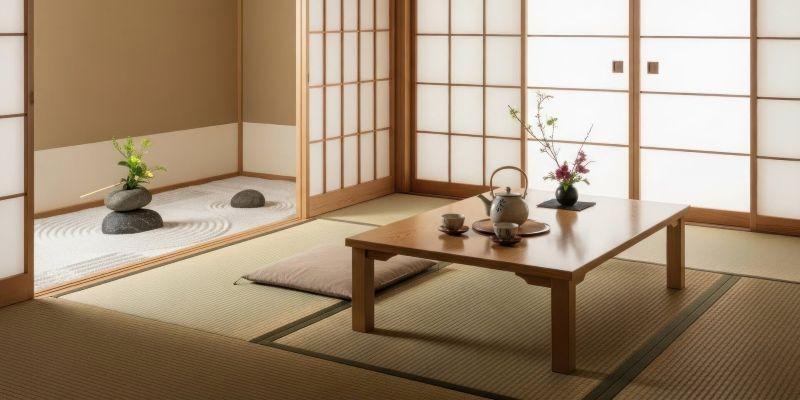
This is where similar listings split apart. A room can look fine in photos, then fail on the parts that matter after midnight. Check the room size in square meters, not just the pictures. Ten square meters feels tight fast. Fourteen is still small, but livable.
Look at the bathroom setup next. Private bath or shared, that changes the stay more than people admit. Then scan reviews for wall noise, street noise, slow elevators, and rough air conditioning. Not every complaint matters; repeated complaints usually do. That pattern tells you enough.
Also, check the useful stuff people skip. Luggage storage, late check-in, coin laundry, elevator access, plus how far the hotel is from the actual station exit. Big station names can mislead. Five minutes on a map becomes longer with bags, stairs, crowds, and wrong exits.
Spend Less, Stay Central, Move Easier
Osaka does not require a big hotel budget, but it does punish lazy booking. The smart move is simple enough: choose the area first, then the stay type, then the room details. Do that in order, and the under-$70 range stays realistic. Ignore it; prices start lying.
The five picks at the top work because they solve movement as well as sleep. That is the real point. A cheap room near the right station saves more than money; it saves energy, time, bad transfers, and late walks when you are already done for the day.
Once you find a rate that works, do not sit on it too long. Central budget rooms get taken first, especially on weekends and busy dates. Book the place that fits the trip, not the one with the prettiest lobby shot. Osaka is easier when your base is right.