The London Underground hits you fast. Bright maps. Rushing feet. Doors that beep as they mean it. Your first trip can feel like a test you did not study for, even if you have traveled a lot.
Here’s the good news. The Tube runs on patterns. Once you spot them, the whole system calms down. Colors guide you. Signs point to you. A few habits save you time and money. One quick check keeps you from riding the right line in the wrong direction.
This guide walks you from the station entrance to your stop, with enough confidence to move as you belong.
The Moments That Matter Before You Even Board
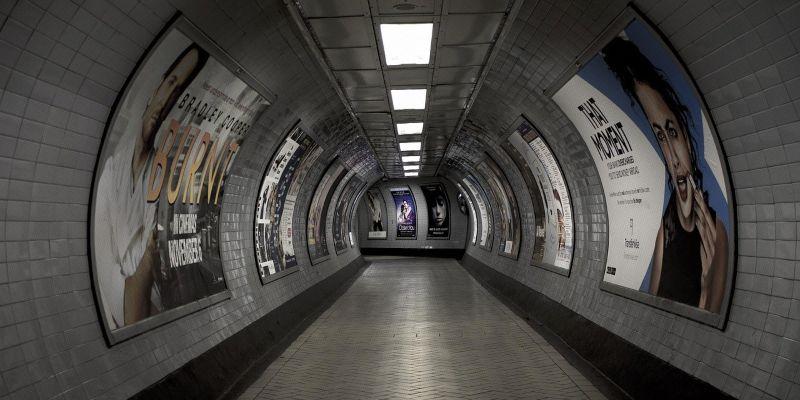
A tube station often has more than one entrance. Pick the one that matches your line, not the closest door. Look for the round red-and-blue Underground sign. Check the station name on the wall before you go down. Some entrances only serve one side of the tracks.
Follow the signs like a trail. The keywords are the direction labels. Northbound. Southbound. Eastbound. Westbound. Do not guess. Find the board that says “towards” and read the final stop. That last stop tells you the train’s path.
Zones matter the moment you plan a trip. Zone 1 sits in the center. The numbers grow as you move out. More zones usually mean a higher fare. Many sights sit in Zones 1 and 2. Some airports and stadiums sit farther out. Keep that in mind before you pick where to stay.
The Map Looks Like Spaghetti Until It Clicks
The Tube map is not a street map. It bends rivers. It stretches distances. It shrinks long gaps. Treat it like a clean diagram of stops. Your job is to follow the station order. Your job is not to picture exact miles between dots.
Each colored line is one route family. Each stop is a dot. Big white circles show interchanges. Those are stations where you can switch lines without leaving the system. Some stations look close on the map. The walk between platforms can still take several minutes.
Start with two points. Your start station. Your end station. Trace one line that gets you close. Add one interchange if needed. Favor a single clean change. Two changes add stress fast. The map feels friendly once you keep your route that simple.
Pay Smart, Not More Than You Need
Most riders use a contactless card or an Oyster card. Contactless works with a bank card or phone wallet. An oyster is a blue card you load with money. Both use tap-in and tap-out. Both can hit a daily cap. That cap limits what you pay in a day.
Tap the same way every time. Use the yellow card reader at the gate. Some stations have readers on open platforms, too. Watch for a green light. Keep the same card for the whole trip. Mixing cards breaks the record. The system then charges a higher fare.
Skip avoidable money traps. Do not share one card between two people. Do not tap in with a phone, then tap out with the plastic card. Keep your phone charged before you travel. Tap out even on rail links with open exits. A missed tap-out can cost more than the ride.
Pick A Route That Feels Easy, Not Just Fast
A route that looks quickest on paper can feel rough in real life. One extra change can turn into two crowded escalators and a long tunnel. Many locals choose the route with fewer switches. They arrive calmer. They also make fewer wrong turns under pressure.
Some interchanges hide a surprise. The platforms sit far apart. The signs send you through curves and stairs. You might walk the length of a small street inside the station. If you spot a route with a single change at a smaller station, take it.
Before the train arrives, confirm the platform details. Look for the digital screen. It shows the line, the next train, and key stops. Check the direction again using the final destination on the wall. This small pause stops most “wrong-way” rides.
Transfers Can Feel Like A Maze, So Use This Trick
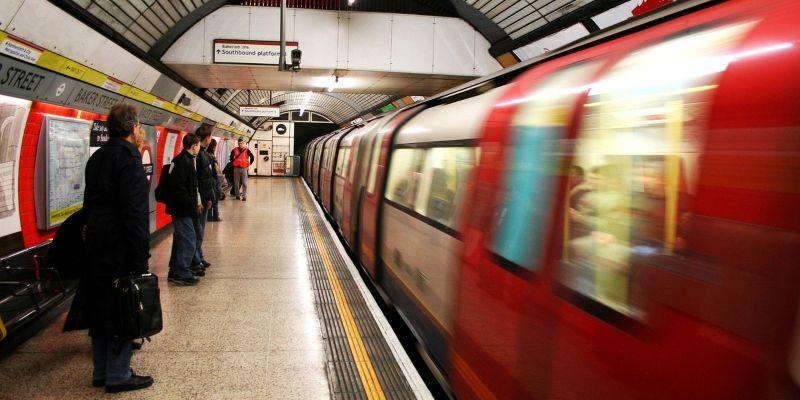
Transfers can mess with your head. You step off a train, follow a crowd, then hit a fork in the corridor. One sign points to a line color. Another point to an exit. You pick fast, then realize you are walking away from your goal.
Use one steady trick. First, follow the line color for your next train. Next, match the direction using the “towards” board. Then, check the list of stations on the wall poster. If your next stop is not listed, you are on the wrong side.
If you do end up wrong, treat it like a quick reset. Do not sprint through closing doors. Step back. Look for signs that say “Way Out” and “Platforms.” Staff in high-vis can point you in 10 seconds. The system is built for course corrections.
Ride As You Belong Here In Two Stops
Tube etiquette is quiet help. Stand on the right on escalators. Leave the left side for walkers. Let people get off the train before you step in. A small pause at the door keeps the flow moving and lowers the tension on the platform.
Once you enter, move down inside the carriage. Do not block the doorway if you plan to stay on. Keep your bag in front of you in crowds. Hold the pole or strap. Sudden stops happen. A steady stance makes you look confident fast.
When Things Go Sideways, You Still Get There
Delays happen. So do closures. The key is spotting them early enough to change course. Check the line status screens in the station. Look for posters near the gates. Staff in high-vis stand near trouble spots. Ask them where to switch, not what went wrong.
Night Tube can save you on weekends, but not every line runs all night. Some nights run with reduced service. Some stations close earlier than you expect. Plan your last leg before midnight. If the platform feels packed, wait for the next train. One extra minute beats a squeeze.
Keep a Plan B in your pocket. Swap to a nearby line at the next interchange. Take a bus for one part of the trip. Walk one stop in central London if the streets are clear. When one station is jammed, the next one over can feel normal.
Your First Confident Ride Starts Now
Confidence on the Tube comes from a few steady choices. Pick the right entrance. Follow the direction signs. Keep your route clean with one change when you can. Tap in and tap out with the same card. These small moves stack up fast.
The Underground also rewards calm thinking. If a transfer feels messy, stop and read the “towards” board. If a line stalls, switch early. If a station feels too packed, step back and breathe. London moves fast, but you do not have to rush.
Try a short trip on purpose. Choose two stops in Zone 1 or Zone 2. Ride out, then ride back. You will see the patterns in minutes. After that, the Tube stops feeling like a puzzle and starts feeling like your city map.