The Algarve gets a lot of attention for its beaches, but there’s a specific rhythm to enjoying it properly. Trying to see everything in two or three days usually backfires. Traffic around the coast slows down in summer. Reservations at restaurants book out days ahead during July and August. And the best beaches are rarely visible from the road. A well-paced 4-day stay gives enough time to settle into the pace of southern Portugal without skipping key experiences. You’ll want a rental car for this itinerary; trains can’t reach most beaches, and taxi prices add up fast.
Day 1: Faro Arrival and Coastal Towns East of the Airport
Faro is often overlooked as just the arrival airport, but there's more than a few hours' worth of interest. Booking a midday arrival avoids early hotel check-in issues and helps time for lunch in the old town. Parking near Arco da Vila is tight, especially on weekends, so look for paid public lots just outside the walled area.
After lunch, head to Olhão. It’s 20 minutes away but feels completely different. The town doesn’t polish itself for tourists, and that’s part of its charm. The fish market closes around 2 p.m., so catching it earlier is smart. If staying nearby, ferries to Armona Island run regularly, but they often fill up during holiday weeks. Plan around ferry schedules or risk long waits.
Tavira is a quieter place to end the day. It’s better for overnight stays than Faro, especially for travelers avoiding late-night entertainment scenes. Accommodations in Tavira often fill up early in high season due to limited stock. Booking more than six weeks out is ideal.
Day 2: Beach Day at Praia da Marinha and Benagil Cave
Start early. Praia da Marinha gets crowded by mid-morning, not just from beachgoers but also from day tours. The parking lot isn't large, and spillover parking can mean a steep walk. If you're planning a kayak or small boat to Benagil Cave, the tours departing before 9 a.m. have the calmest waters and the shortest wait times.
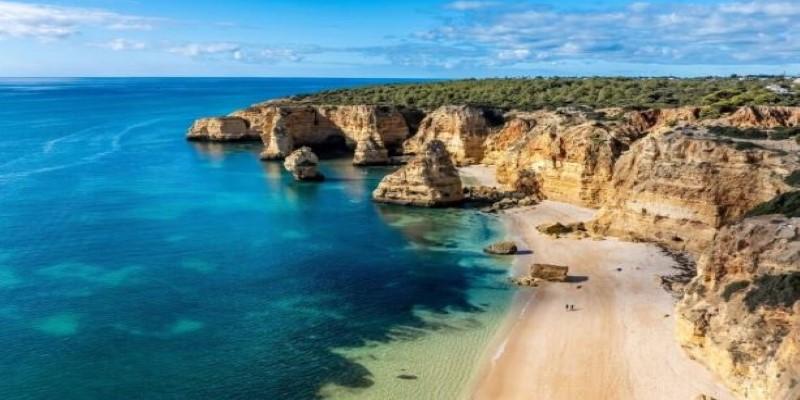
Some travelers try to swim into the cave—it’s not a great idea. Currents shift quickly, and lifeguards won’t assist unless there’s a true emergency. Book a licensed operator from Benagil Beach or Carvoeiro instead. After Marinha, skip the inland drive and take the cliff-top boardwalk toward Carvoeiro. It’s not a casual stroll—wear shoes with grip, not flip-flops. Late lunch options are better in Carvoeiro. Most restaurants open again after 3 p.m., but some kitchens close entirely between services.
Late afternoon is a good time for beach-hopping westward. Praia do Carvalho and Praia da Vale Centeanes both have limited parking but clearer water. The coastline here is steep, so stairs to the beach can be a serious climb. Keep that in mind if anyone in the group has mobility concerns.
Day 3: Lagos, Grottos, and Inland Detours
Lagos has more accommodation options, so many travelers base themselves here for two or three nights. But arriving for a short day trip still works. Drive in early if you want parking close to town. Street parking is usually timed and patrolled. The underground lot near Avenida dos Descobrimentos fills up fast during summer, especially if a cruise ship is in port.
Take a boat tour to Ponta da Piedade in the morning. Midday tours often face rougher swells, making the small grottos harder to access. Operators on the harbor typically accept same-day bookings, but during festival weekends or holiday periods, pre-booking is safer.
Instead of a full beach day, consider a detour inland after lunch. Monchique is a good contrast to the coast. It’s not a quick drive—expect around 1 hour—but the mountain views, cooler air, and chestnut forests offer a reset. Roads are narrow, and there’s no reliable public transport between Lagos and Monchique. Restaurants there serve heavier food, and dinner service often doesn’t start until 7 p.m. Returning before sunset is wise, especially for unfamiliar drivers.
Day 4: West Coast Surf Beaches and the Drive Back East
The west coast, stretching from Vila do Bispo to Aljezur, feels like another region entirely. It’s cooler, windier, and draws a different crowd. The beaches are rougher and less developed. For travelers chasing calm swim spots, this area may not deliver. But for anyone wanting wide-open cliffs, walking trails, and fewer crowds, this is the day to do it.
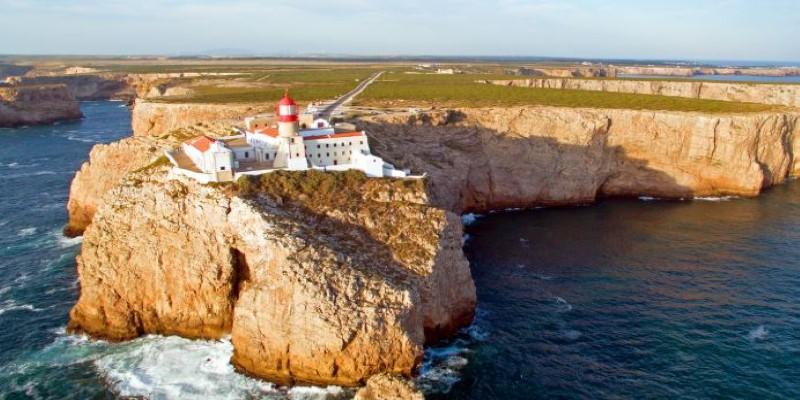
Amado and Arrifana are two reliable West Coast stops. Amado has surf schools operating year-round, but gear rentals can run out during high season. Pre-booking lessons is better than walking in. Arrifana has a steep descent to the beach, and parking involves either a wait or a long walk, especially after 10 a.m. Food options on the west coast are thinner. A lot of small cafes only take cash or close between lunch and dinner.
Check ahead, especially in off-season months. Mobile signal is patchy along this route, so downloading maps offline helps avoid last-minute stress. If your flight leaves the next morning, driving back east to stay near Faro makes more sense. Avoid trying to reach the airport the same day as a long coastal drive. Rental car drop-offs are often delayed during peak summer weekends, especially if the company shares lots with other brands.
Conclusion
A four-day trip across the Algarve is enough to understand its pace. Rushing across towns just to check them off usually leads to delays and missed experiences. The distances may look short on a map, but the region’s popularity means summer roads move slowly. Reservations and pre-bookings are increasingly necessary for everything from beach parking to boat tours. Renting a car unlocks much of the coast, but timing matters more than people expect. This itinerary builds in space to adjust along the way, helping travelers avoid the bottlenecks that frustrate shorter visits. With the right balance, the Algarve still feels like a genuine coastal retreat.